
Call Us
1 800 363-1746
truchetti
Dr. Geoffrey Truchetti has been a veterinarian since 2009. He did his residency in anaesthesia and analgesia in Saint-Hyacinthe (Québec) and is a Diplomate of the American College of Veterinary Anaesthesia and Analgesia since 2014. He is now a consultant in veterinary anaesthesia and analgesia so that all private practices and patients can have access to advanced anaesthesia care. He also has a special interest in risk management, especially developing tools to improve anaesthesia safety and the efficacy of the anaesthesia team.
Every day, in all private practices, veterinarians and technicians perform anaesthesia and analgesia. However, only a minority of patients have access to advanced anaesthetic care when it is needed (cardiac or renal insufficiency, or other systemic diseases) as only some referral centers and universities employ anaesthesiologists. Mortality rate in anaesthesia is 0.17% for dogs and 0.24% for cats (Brodbelt et al. 2008). In human anaesthesia, mortality rate is less than 0.01% of patients (Barash et al. 2013). A major difference between human and veterinary anaesthesia is having an anaesthesiologist and a team fully dedicated to anaesthesia for every case.
Dr. Truchetti’s aim is to give access to high quality anaesthesia care to all patients that need it. He can directly intervene on cases and participate to the education of veterinarians and technicians.
Why collaborate with an anaesthesiologist?
For the patient: an anaesthesiologist supervises all cases undergoing general anaesthesia or sedation, from their pre-operative evaluation to their complete recovery. He also suggests a post-operative analgesia plan, adapted to the patients needs. An anaesthesiologist is also a specialist in analgesia and can answer any questions relative to pain management, whether it is for surgery or chronic pain.
For the client: by offering specialized anaesthesia care at your practice, your clients do not have to travel far for the best care. Additionally, an anaesthesiologist can directly answer any questions or concerns about anaesthesia, or help you develop tools to inform and reassure them.
For the team: anaesthesia and sedation are most of the time done by general practitioners and technicians. The role of an anaesthesiologist is also to train the whole team to improve overall veterinary care and safety.
For the pratice: when a dedicated team performs anaesthesia, surgeons (or other practitioners) can increase the number of surgeries per day, as the anaesthesia team takes care of induction and recovery. The surgeon can focus on the procedure, increasing his comfort and efficacy.

Why a patient circuit alarm should be mandatory ?
What is a patient circuit alarm? A patient circuit alarm measures pressure in the breathing circuit (Bain or rebreathing) and...

4 Tips to Reduce Risk of Anesthesia
Discover 4 essential tips to reduce anesthesia risks and ensure safe veterinary procedures with Dispomed’s expert advice.

Risk Factors in Small Animal Anesthesia
Identify key risk factors in small animal anesthesia and learn how to improve safety and outcomes during veterinary procedures.

Thermometers
Understand the importance of temperature monitoring in veterinary anesthesia and how to choose the right thermometer for your needs.
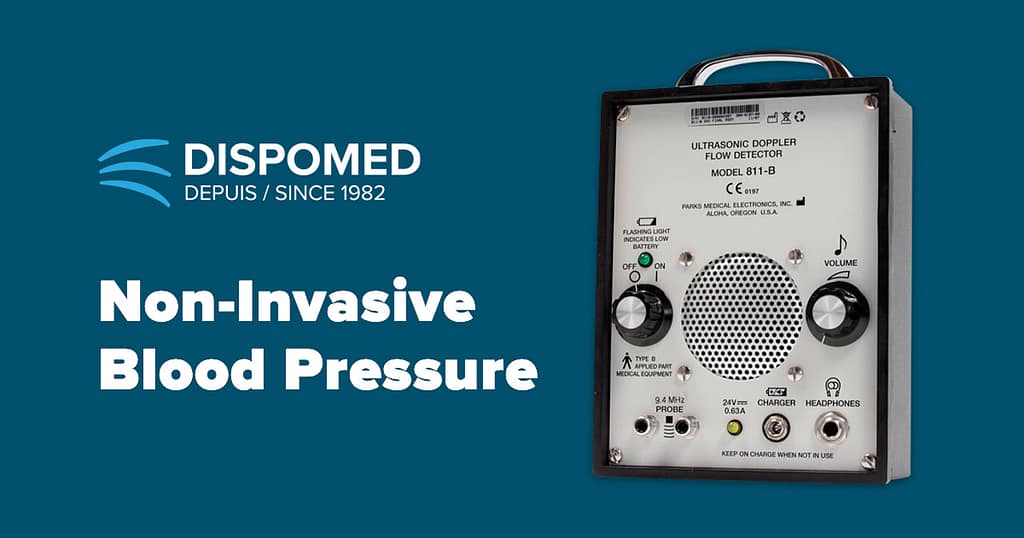
Non-Invasive Blood Pressure (Oscillometric devices)
Learn how oscillometric devices measure non-invasive blood pressure in veterinary patients and when to use this method effectively.
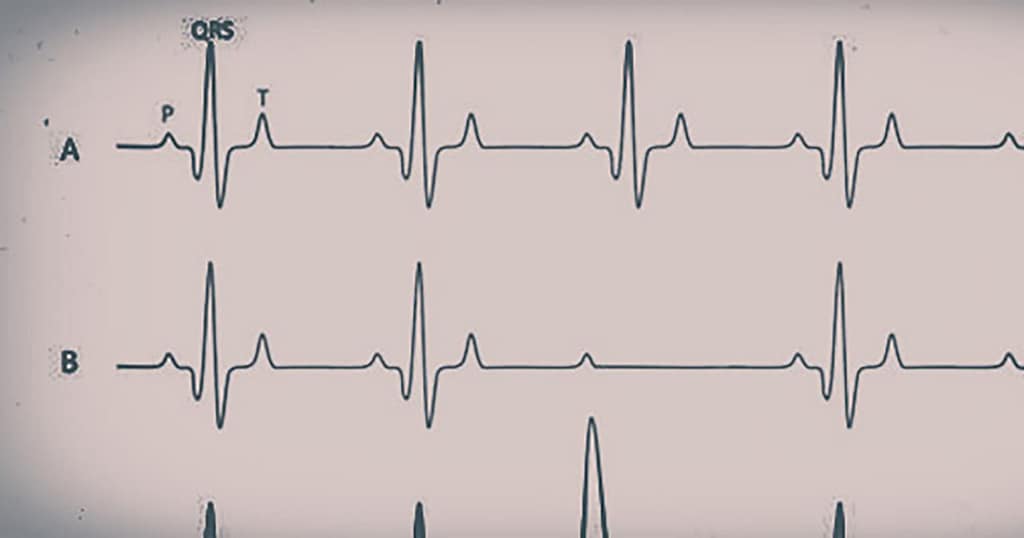
Electrocardiogram (ECG)
Learn how to use electrocardiogram (ECG) monitoring in veterinary anesthesia to detect and interpret cardiac abnormalities.
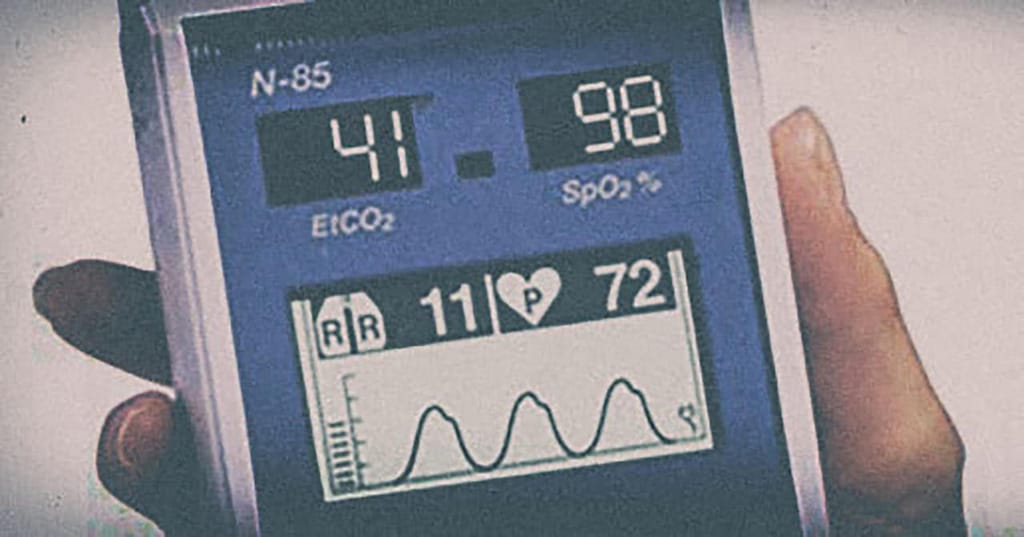
Capnography
Learn how capnography improves patient monitoring in veterinary anesthesia and how to interpret capnogram waveforms effectively.
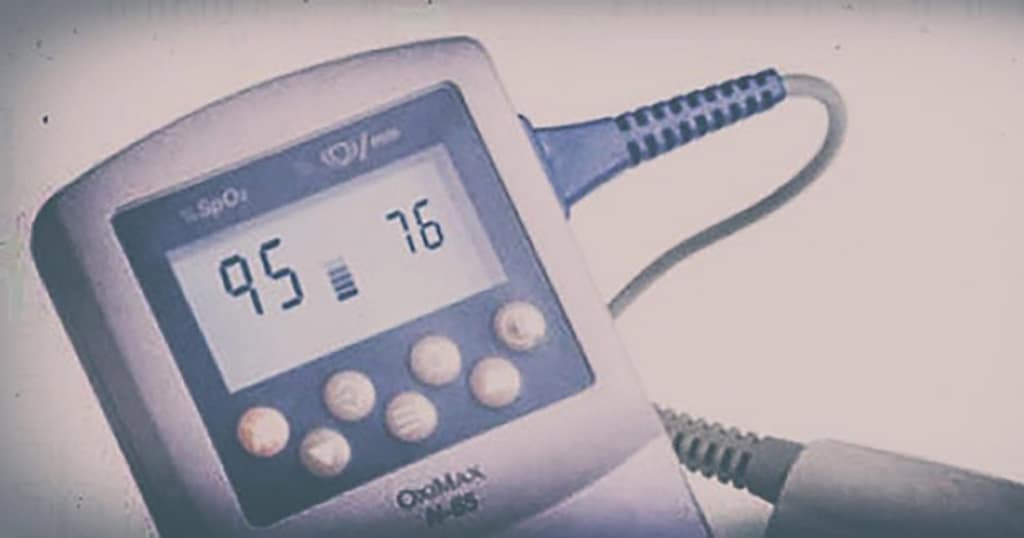
Why and When use a Pulse Oximeter
Understand the importance of pulse oximetry in veterinary anesthesia and how to use it for effective patient monitoring.
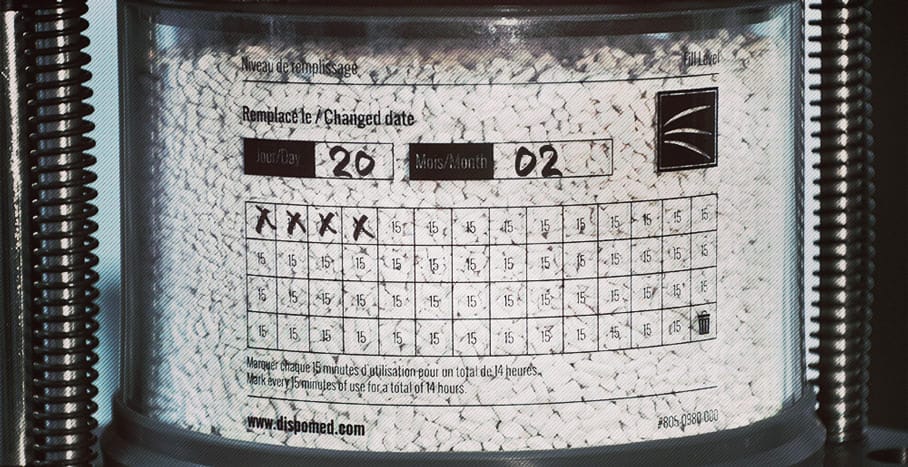
How to Detect Soda Lime Exhaustion?
Detect soda lime exhaustion – use visual cues, feel, temperature, usage times & capnography to ensure effective CO₂ absorption.