
In the busy day-to-day operations of a veterinary clinic, it’s easy to postpone tasks that are seen as non-urgent. Preventive maintenance of equipment often falls into this category. However, skipping or delaying this maintenance can have serious consequences on patient safety, clinical performance, and even your clinic’s finances.
Here’s why preventive maintenance should never be optional, but a priority.
Patient Safety Comes First
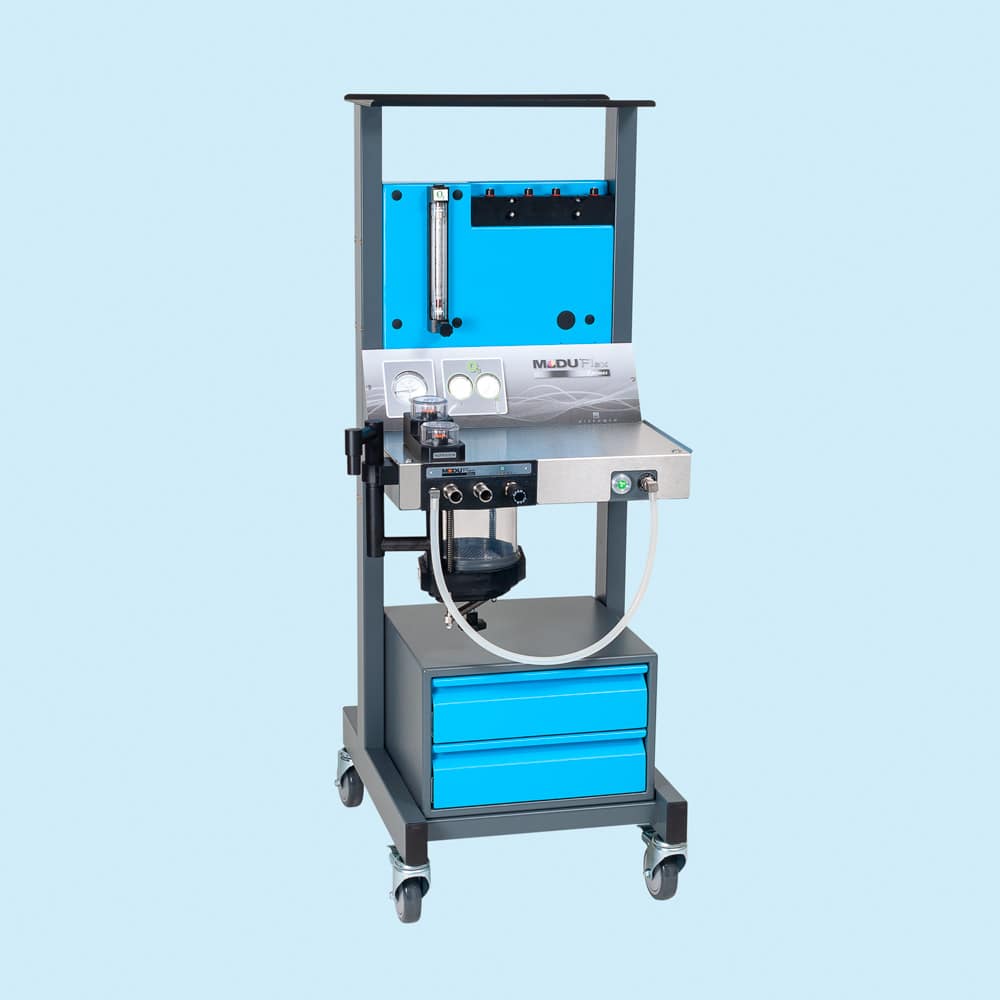
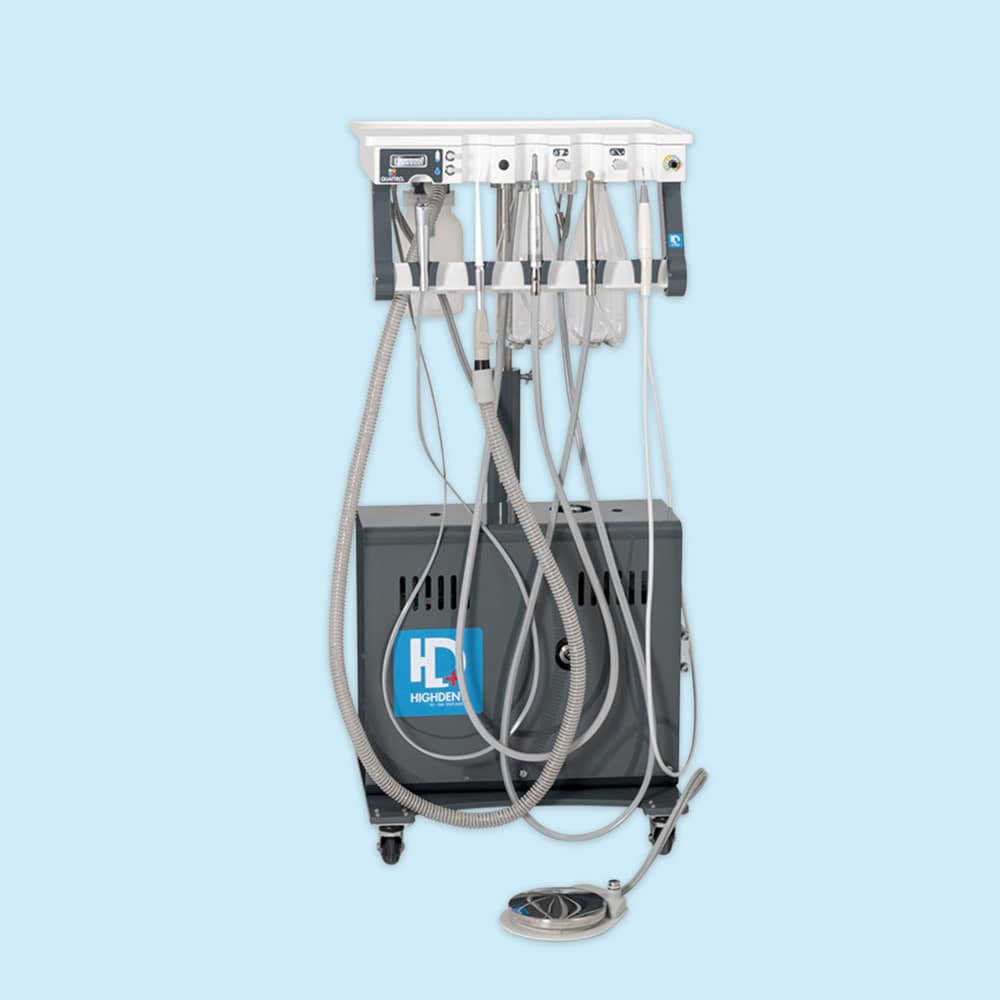
Veterinary equipment – especially those used in anesthesia, monitoring, or intensive care – plays a critical role in animal safety. A failure during a procedure can pose major, even fatal, risks to the patient.
A common example: A blocked anesthesia valve or an undetected oxygen leak can compromise the safe delivery of anesthetic gas, endangering the animal’s life and exposing staff to inhalation risks.
Regular maintenance allows you to:
- Detect defects that are invisible to the naked eye.
- Ensure that alarms and measurements are accurate.
- Prevent critical incidents in the operating room.
The Real Cost of Inaction
It may seem cost-effective to postpone a maintenance visit. However, when a device breaks down unexpectedly, the costs can quickly escalate:
| Consequence | Approximate Cost |
|---|---|
| Service Interruption | Loss of Revenue (cancelled consultations or surgeries) |
| Emergency Repair | Increased Rates, Additional Travel Fees |
| Premature Replacement | Unplanned Significant Investment |
| Medical-Legal Risk | In the event of a complication related to equipment failure |
In Comparison:
A planned preventive maintenance costs a fraction of the price of a major breakdown or equipment replacement.
Optimization of Clinical Performance
A well-maintained equipment operates at full capacity. This results in:
- Increased accuracy in diagnostics.
- Fewer test repetitions or delays.
- Improved customer experience through smooth and reliable service.
In a context where customer satisfaction and the clinic’s reputation are essential, the reliability of equipment becomes a competitive advantage.
Compliance and Traceability
Certain regulatory inspections or accreditations require proof of equipment maintenance. An up-to-date maintenance log demonstrates your commitment to safety, quality of care, and responsible equipment management.
Maximizing the Value of Your Investment
Your equipment represents a significant portion of your clinical assets. Preventive maintenance:
- Extends their useful lifespan.
- Protects resale value (if applicable).
- Enables better budget planning for future replacements.
An Opportunity to Educate and Train Your Team
Maintenance visits are also an opportunity to ask technicians questions, gain a better understanding of how the equipment works, and correct usage practices that could impact performance. A good provider will often offer tips or mini-training sessions during their visits.
In Conclusion
Postponing preventive maintenance may seem harmless… until an unexpected and costly issue arises. Think of it as insurance: a proactive measure to protect your patients, your team, and your profitability.
Tip
Schedule maintenance based on your clinic’s pace to minimize disruptions. An annual maintenance calendar tailored to your equipment inventory can greatly simplify management.
Do you need support for the maintenance of your equipment?
Talk to our team to develop a plan tailored to your needs and clinical reality.